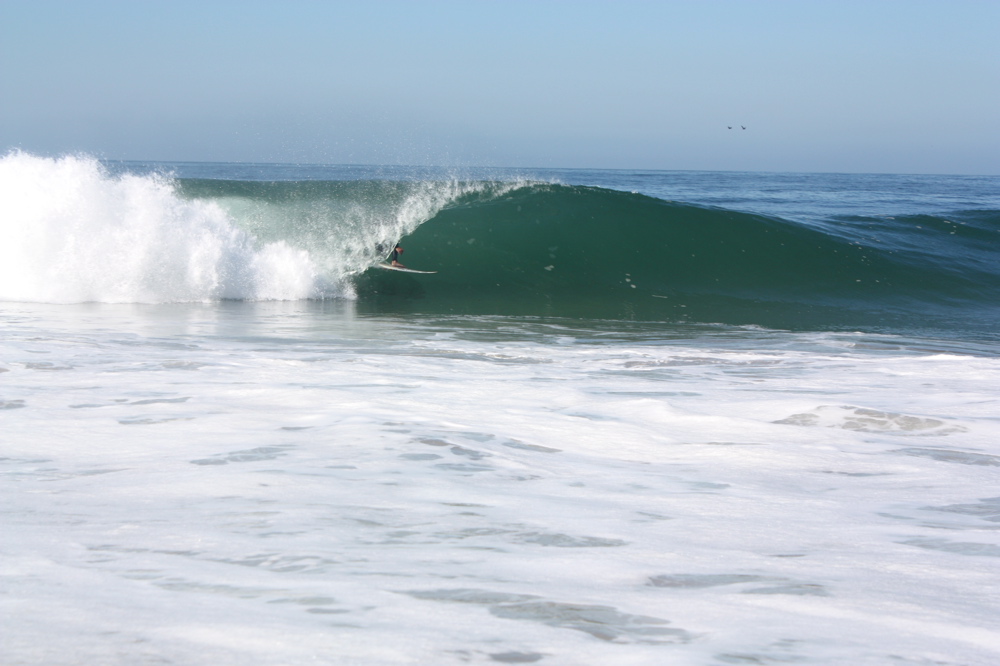
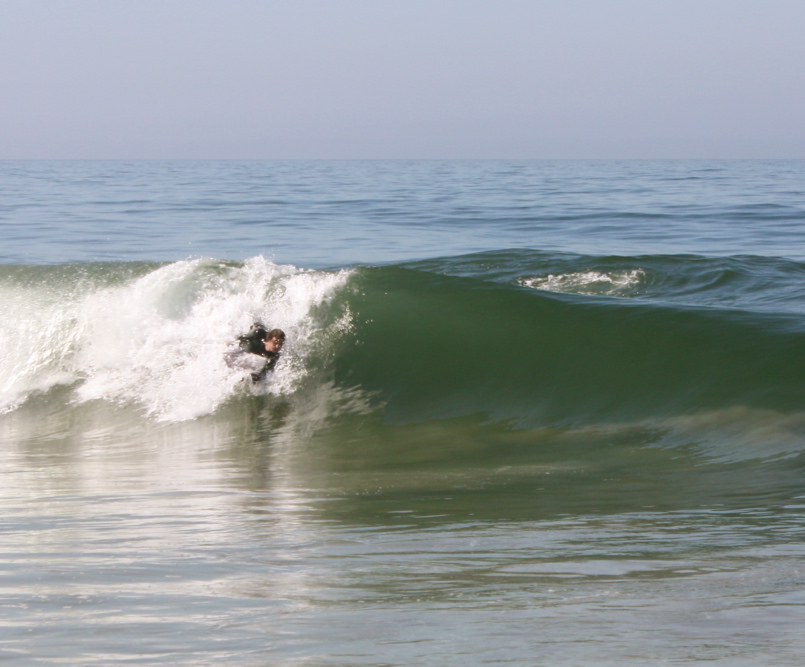
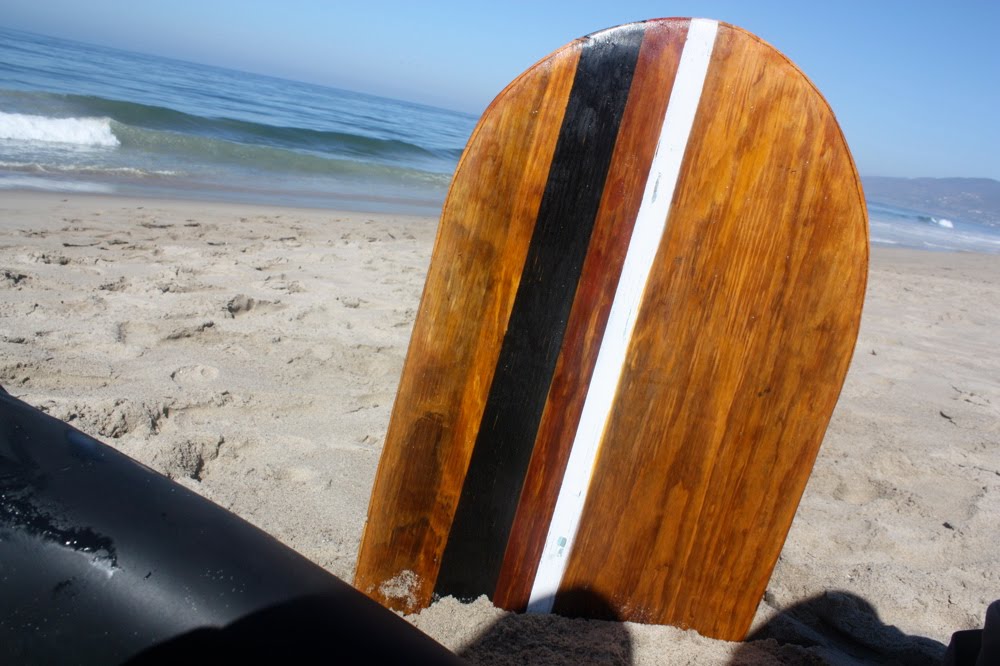
KP with his 9'0 revamped version of an old classic!
for more on this board visit HERE
KP with his 9'0 revamped version of an old classic!
for more on this board visit HERE


 Monica Almeida/The New York Times
Orange County, Calif., has been a national symbol of conservatism for more than 50 years, but the percentage of registered Republican voters dropped to 43 percent in June, the lowest level in 70 years. But it has always boasted of a zesty political brand: almost defiantly conservative, a land of gated communities and great wealth that produced a steady stream of colorful conservative figures. A view of Newport Ridge, a high-end housing development in southern Orange County.
By ADAM NAGOURNEY
NY Times Published: August 29, 2010
SANTA ANA, Calif. — Orange County has been a national symbol of conservatism for more than 50 years: birthplace of President Richard M. Nixon and home to John Wayne, a bastion for the John Birch Society, a land of orange groves and affluence, the region of California where Republican presidential candidates could always count on a friendly audience.
But this iconic county of 3.1 million people passed something of a milestone in June. The percentage of registered Republican voters dropped to 43 percent, the lowest level in 70 years.
It was the latest sign of the demographic, ethnic and political changes that are transforming the county and challenging long-held views of a region whose colorful — its detractors might suggest zany — reputation extends well beyond the borders of this state.
At the end of 2009, nearly 45 percent of the county’s residents spoke a language other than English at home, according to county officials. Whites now make up only 45 percent of the population; this county is teeming with Hispanics, as well as Vietnamese, Korean and Chinese families. Its percentage of foreign-born residents jumped to 30 percent in 2008 from 6 percent in 1970, and visits to some of its corners can feel like a trip to a foreign land.
The demographic changes that have swept the county reflect what is happening across the state and much of the nation. It has happened slowly but surely over the course of a generation, becoming increasingly apparent not only in a drive through the 34 cities that fill this sprawling 789-square-mile county south of Los Angeles, but also, most recently, in the results of a presidential election. In 2008, Barack Obama drew 48 percent of the vote here against Senator John McCain of Arizona. (By comparison, in 1980, Jimmy Carter received just 23 percent against Ronald Reagan, the conservative hero whose election as California governor in 1966 and 1970 was boosted in no small part by the affection for him here.)
“I was a city planner in San Diego in 1960 when Orange County was just orange groves and typecast as a conservative stronghold,” said Marshall Kaplan, the executive director of the Merage Foundations, which runs educational and other programs for recent immigrants here. “It isn’t anymore. I live in Irvine. My wife is Asian. In Irvine, I sometimes feel like I’m her affirmative action program.”
Manuel Gomez, the vice chancellor of student affairs at the University of California, Irvine, said the county where he was born 63 years ago is almost unrecognizable to him today. “With diversity comes more cultural voices and political voices,” he said. “And certainly better food.”
Orange County is not unique in being a reliable Republican region in California. But this county has always boasted of a zesty political brand: almost defiantly conservative, the anti-Los Angeles, a land of gated communities and great wealth that managed to produce a steady stream of colorful conservative figures, including the televangelist Robert H. Schuller and former Representative Robert K. Dornan — B-1 Bob, as he was known, for his advocacy of military projects. (In a sign of what was to come, Mr. Dornan lost the House seat in 1996 to a Democratic Latina, Loretta Sanchez).
With such world-famous attractions as Disneyland and Mr. Schuller’s Crystal Cathedral and enclaves like Laguna Beach and Balboa Island, Orange County is as much a symbol in California as it is nationally.
Indeed, to some measure, the extent of the county’s transformation may seem magnified simply because of the way people thought of it in the past. “The new Orange County is not a repudiation of the old,” said Kevin Starr, a California historian. “For all the attention paid the right-wingers there, they never really took up the whole place. They were just more mediagenic than everyone else.”
Still, by any measure, this is no longer Nixon’s Orange County.
Here in Santa Ana, a sign on a downtown furniture store the other day advertised a sale in Spanish only; nearly 95 percent of the enrollment in the public schools is Latino. The mayor of Irvine, Sukhee Kang, was born in Korea, making him the first Korean-American to run a major American city. “We have 35 languages spoken in our city,” Mr. Kang said.
A few miles away in Westminster — where Vietnamese immigrants began arriving about 30 years ago, earning the area the name Little Saigon — is a dazzling sea of Vietnamese characters on storefronts and billboards (including one for McDonald’s). “I’ve been here for 30 years,” said Kinh Tram, 59, as he sat in front of a two-story mall that was crowded with other Vietnamese immigrants. “When I first came here, most of these were open lots.”
There are pockets of deep poverty spread across a county long identified with suburban affluence and escape from urban Los Angeles. About 25 percent of residents here did not have health insurance at some point during 2009, according to a report released last week by the U.C.L.A. Center for Health Policy Research. Less than a mile from the entrance to Disneyland is a Latino enclave of low-income housing where trucks arrive every morning, with names like Yucatán Produce, to sell groceries and household goods to people who cannot afford a car to drive to the store.
Orange remains a Republican county, at least relatively: an influx of immigrants certainly does not equate to automatic Democratic gains, here or anywhere else across the country. Many Vietnamese immigrants are socially conservative and run for office as Republicans. Until the increased identification of the Republican Party with tough measures on immigration in recent years, Latino voters were also clearly in play for Republicans. Most elected officials in Orange County are Republicans.
But the political texture of this county, which is larger in population than Nevada or Iowa, is changing, and many officials say it is only a matter of time before many Republican officeholders get swept out with the tide.
While Republicans have been on a steady decline — in 1990, they made up 56 percent of the electorate — the percentage of independent voters, as in much of the state, soared to 20 percent this past June from 8.6 percent in 1990. President Obama’s strong showing here in 2008 continued a nearly 30-year pattern in which the vote for Democratic presidential candidates has steadily increased.
Mr. Tram, the Vietnamese immigrant in Westminster, said that he had voted for Mr. Obama and that he thought most of his Vietnamese friends had done the same. “The Republicans are for rich people,” he said.
A large reason for this transformation is immigration. But the changes also reflect how the regional economy has changed, with the shrinking of the aerospace industry, which supported the once dominant, mostly white middle-class community here. That has largely been taken over by service, tourism and high-tech jobs, the result being that this county is a contrast of the extremely wealthy and the lower middle class.
“It’s less of a middle-class suburb today,” said Michael M. Ruane, the director of the Orange County Community Indicators Project, which studies economic and demographic trends in the county. “You have areas of poverty and areas of great affluence and less of a middle.”
Even fans of the recent hit television series “The O.C.,” whose main characters were prosperous white residents of Newport Beach, got little hint of the diversity of the region. “The county is becoming more like California,” Mr. Ruane said. “The national image that it is an entirely conservative and entirely Republican county is wrong. Voter registration patterns and voting have shifted as a result of these demographic shifts.”
via south willard
Monica Almeida/The New York Times
Orange County, Calif., has been a national symbol of conservatism for more than 50 years, but the percentage of registered Republican voters dropped to 43 percent in June, the lowest level in 70 years. But it has always boasted of a zesty political brand: almost defiantly conservative, a land of gated communities and great wealth that produced a steady stream of colorful conservative figures. A view of Newport Ridge, a high-end housing development in southern Orange County.
By ADAM NAGOURNEY
NY Times Published: August 29, 2010
SANTA ANA, Calif. — Orange County has been a national symbol of conservatism for more than 50 years: birthplace of President Richard M. Nixon and home to John Wayne, a bastion for the John Birch Society, a land of orange groves and affluence, the region of California where Republican presidential candidates could always count on a friendly audience.
But this iconic county of 3.1 million people passed something of a milestone in June. The percentage of registered Republican voters dropped to 43 percent, the lowest level in 70 years.
It was the latest sign of the demographic, ethnic and political changes that are transforming the county and challenging long-held views of a region whose colorful — its detractors might suggest zany — reputation extends well beyond the borders of this state.
At the end of 2009, nearly 45 percent of the county’s residents spoke a language other than English at home, according to county officials. Whites now make up only 45 percent of the population; this county is teeming with Hispanics, as well as Vietnamese, Korean and Chinese families. Its percentage of foreign-born residents jumped to 30 percent in 2008 from 6 percent in 1970, and visits to some of its corners can feel like a trip to a foreign land.
The demographic changes that have swept the county reflect what is happening across the state and much of the nation. It has happened slowly but surely over the course of a generation, becoming increasingly apparent not only in a drive through the 34 cities that fill this sprawling 789-square-mile county south of Los Angeles, but also, most recently, in the results of a presidential election. In 2008, Barack Obama drew 48 percent of the vote here against Senator John McCain of Arizona. (By comparison, in 1980, Jimmy Carter received just 23 percent against Ronald Reagan, the conservative hero whose election as California governor in 1966 and 1970 was boosted in no small part by the affection for him here.)
“I was a city planner in San Diego in 1960 when Orange County was just orange groves and typecast as a conservative stronghold,” said Marshall Kaplan, the executive director of the Merage Foundations, which runs educational and other programs for recent immigrants here. “It isn’t anymore. I live in Irvine. My wife is Asian. In Irvine, I sometimes feel like I’m her affirmative action program.”
Manuel Gomez, the vice chancellor of student affairs at the University of California, Irvine, said the county where he was born 63 years ago is almost unrecognizable to him today. “With diversity comes more cultural voices and political voices,” he said. “And certainly better food.”
Orange County is not unique in being a reliable Republican region in California. But this county has always boasted of a zesty political brand: almost defiantly conservative, the anti-Los Angeles, a land of gated communities and great wealth that managed to produce a steady stream of colorful conservative figures, including the televangelist Robert H. Schuller and former Representative Robert K. Dornan — B-1 Bob, as he was known, for his advocacy of military projects. (In a sign of what was to come, Mr. Dornan lost the House seat in 1996 to a Democratic Latina, Loretta Sanchez).
With such world-famous attractions as Disneyland and Mr. Schuller’s Crystal Cathedral and enclaves like Laguna Beach and Balboa Island, Orange County is as much a symbol in California as it is nationally.
Indeed, to some measure, the extent of the county’s transformation may seem magnified simply because of the way people thought of it in the past. “The new Orange County is not a repudiation of the old,” said Kevin Starr, a California historian. “For all the attention paid the right-wingers there, they never really took up the whole place. They were just more mediagenic than everyone else.”
Still, by any measure, this is no longer Nixon’s Orange County.
Here in Santa Ana, a sign on a downtown furniture store the other day advertised a sale in Spanish only; nearly 95 percent of the enrollment in the public schools is Latino. The mayor of Irvine, Sukhee Kang, was born in Korea, making him the first Korean-American to run a major American city. “We have 35 languages spoken in our city,” Mr. Kang said.
A few miles away in Westminster — where Vietnamese immigrants began arriving about 30 years ago, earning the area the name Little Saigon — is a dazzling sea of Vietnamese characters on storefronts and billboards (including one for McDonald’s). “I’ve been here for 30 years,” said Kinh Tram, 59, as he sat in front of a two-story mall that was crowded with other Vietnamese immigrants. “When I first came here, most of these were open lots.”
There are pockets of deep poverty spread across a county long identified with suburban affluence and escape from urban Los Angeles. About 25 percent of residents here did not have health insurance at some point during 2009, according to a report released last week by the U.C.L.A. Center for Health Policy Research. Less than a mile from the entrance to Disneyland is a Latino enclave of low-income housing where trucks arrive every morning, with names like Yucatán Produce, to sell groceries and household goods to people who cannot afford a car to drive to the store.
Orange remains a Republican county, at least relatively: an influx of immigrants certainly does not equate to automatic Democratic gains, here or anywhere else across the country. Many Vietnamese immigrants are socially conservative and run for office as Republicans. Until the increased identification of the Republican Party with tough measures on immigration in recent years, Latino voters were also clearly in play for Republicans. Most elected officials in Orange County are Republicans.
But the political texture of this county, which is larger in population than Nevada or Iowa, is changing, and many officials say it is only a matter of time before many Republican officeholders get swept out with the tide.
While Republicans have been on a steady decline — in 1990, they made up 56 percent of the electorate — the percentage of independent voters, as in much of the state, soared to 20 percent this past June from 8.6 percent in 1990. President Obama’s strong showing here in 2008 continued a nearly 30-year pattern in which the vote for Democratic presidential candidates has steadily increased.
Mr. Tram, the Vietnamese immigrant in Westminster, said that he had voted for Mr. Obama and that he thought most of his Vietnamese friends had done the same. “The Republicans are for rich people,” he said.
A large reason for this transformation is immigration. But the changes also reflect how the regional economy has changed, with the shrinking of the aerospace industry, which supported the once dominant, mostly white middle-class community here. That has largely been taken over by service, tourism and high-tech jobs, the result being that this county is a contrast of the extremely wealthy and the lower middle class.
“It’s less of a middle-class suburb today,” said Michael M. Ruane, the director of the Orange County Community Indicators Project, which studies economic and demographic trends in the county. “You have areas of poverty and areas of great affluence and less of a middle.”
Even fans of the recent hit television series “The O.C.,” whose main characters were prosperous white residents of Newport Beach, got little hint of the diversity of the region. “The county is becoming more like California,” Mr. Ruane said. “The national image that it is an entirely conservative and entirely Republican county is wrong. Voter registration patterns and voting have shifted as a result of these demographic shifts.”
via south willard
 Though Pere Ubu's tenure on Mercury lasted one record, their departure for their unlikely home of Chrysalis (at the time the label of Jethro Tull) resulted in "Dub Housing", widely considered their masterpiece. Darker and more difficult than "The Modern Dance" (indicated by the cover's darkened apartment complex and stormy Cleveland skyline) with plenty of bleak soundscapes (e.g., "Codex"), "Dub Housing" also includes "Navvy"'s bouncy burble (featuring Thomas yelping "I have desires!"), and "(Pa) Ubu Dance Party"'s surreal big beat. Make no mistake, as much as Ubu indulged in arty dissonance and mucked about with song structure, this is very much a rock & roll record, albeit one made by a band interested in pushing the envelope when it came to sound, song construction, and performance. As much as this is a band effort, the guitar of Tom Herman and the synthesizer of Allen Ravenstine frequently stand out. Herman's strong, polished playing veers from assertive riffing to assaultive noise; Ravenstine, who may be one of the all-time great synth players, colors the sound with ominous whooshes of distortions, blips, and blurbs that sound like a sped-up Pong game. But, as is often the case with Ubu, it's David Thomas' singing (here at its most engagingly unrestrained) that is front and center. Part comic foil, part raging madman, Thomas utilizes all of his limited range in a whacked expressiveness built around hiccups, yodels, screeches, and, sometimes, singing. "Dub Housing" sold next to nothing and signaled the beginning of the end of Ubu's relationship with Chrysalis, but it remains an important and influential American rock record. [Source: AMG]
Credits:
Artwork By [Designed By] - John Thompson
Bass - Tony Maimone
Engineer - Ken Hamann
Guitar - Tom Herman
Mastered By - Ian Gillespie
Photography - Mik Mellen
Producer - Ken Hamann, Pere Ubu
Synthesizer - Allen Ravenstine
Vocals - David Thomas
Track Listing:
1. Navvy (2:43)
2. On The Surface (2:40)
3. Dub Housing (3:40)
4. Caligari's Mirror (3:48)
5. Thriller! (4:45)
6. I, Will Wait (1:46)
7. Drinking Wine Spodyody (2:44)
8. Ubu Dance Party (4:47)
9. Blow Daddy-o (3:38)
10. Codex (4:56)
GET MUSIC HERE
Though Pere Ubu's tenure on Mercury lasted one record, their departure for their unlikely home of Chrysalis (at the time the label of Jethro Tull) resulted in "Dub Housing", widely considered their masterpiece. Darker and more difficult than "The Modern Dance" (indicated by the cover's darkened apartment complex and stormy Cleveland skyline) with plenty of bleak soundscapes (e.g., "Codex"), "Dub Housing" also includes "Navvy"'s bouncy burble (featuring Thomas yelping "I have desires!"), and "(Pa) Ubu Dance Party"'s surreal big beat. Make no mistake, as much as Ubu indulged in arty dissonance and mucked about with song structure, this is very much a rock & roll record, albeit one made by a band interested in pushing the envelope when it came to sound, song construction, and performance. As much as this is a band effort, the guitar of Tom Herman and the synthesizer of Allen Ravenstine frequently stand out. Herman's strong, polished playing veers from assertive riffing to assaultive noise; Ravenstine, who may be one of the all-time great synth players, colors the sound with ominous whooshes of distortions, blips, and blurbs that sound like a sped-up Pong game. But, as is often the case with Ubu, it's David Thomas' singing (here at its most engagingly unrestrained) that is front and center. Part comic foil, part raging madman, Thomas utilizes all of his limited range in a whacked expressiveness built around hiccups, yodels, screeches, and, sometimes, singing. "Dub Housing" sold next to nothing and signaled the beginning of the end of Ubu's relationship with Chrysalis, but it remains an important and influential American rock record. [Source: AMG]
Credits:
Artwork By [Designed By] - John Thompson
Bass - Tony Maimone
Engineer - Ken Hamann
Guitar - Tom Herman
Mastered By - Ian Gillespie
Photography - Mik Mellen
Producer - Ken Hamann, Pere Ubu
Synthesizer - Allen Ravenstine
Vocals - David Thomas
Track Listing:
1. Navvy (2:43)
2. On The Surface (2:40)
3. Dub Housing (3:40)
4. Caligari's Mirror (3:48)
5. Thriller! (4:45)
6. I, Will Wait (1:46)
7. Drinking Wine Spodyody (2:44)
8. Ubu Dance Party (4:47)
9. Blow Daddy-o (3:38)
10. Codex (4:56)
GET MUSIC HERE
 As impossible as it is to overestimate the importance of John Cassavetes's work in the realm of independent film, it's equally daunting to even know where to start discussing it. Fortunately we don't need to, as on the web alone there is this introductory overview from the Chicago Reader, a extensive tribute at Senses of Cinema, a particularly insightful 40th anniversary examination of Faces at Bright Lights Film Journal, various writings by tireless/obsessive Cassavetes torch-bearer Ray Carney, and undoubtedly dozens of other sites/articles/tributes/etc. For now we're just interested in the music, and as such this release is a real curiosity.
This LP was presumably rushed out to capitalize on the surprising critical success of Faces, though I've never come across a single mention of it in any Cassavetes bio. As the title says, the album (produced by Miles Davis' producer/arranger/editor/collaborator Teo Macero) is comprised of "music from the soundtrack, plus music inspired by the film;" what this means is that only a few tracks were actually featured in the film (Love Is All You Really Want, Love Has Conquered Man, and Charlie Smalls' stark and soulful Never Felt Like This Before), while the rest are either extrapolations of musical themes from the minimal score (i.e. two additional renditions of Love Is All You Really Want), or are pieces with loose thematic or practical ties to scenes in the film (I Dream of Jeannie, Deck The Halls[?]).
It's impossible to say who's "inspiration" was responsible for this collection, as three of the four people who would presumably know -- Macero, Smalls (a composer and songwriter later known for writing the music for the 1975 Broadway musical The Wiz), and Cassavetes himself -- are no longer with us (anyone have a phone number for Jack Ackerman?). Personally, I'm just glad that an officially-produced soundtrack to any Cassavetes film exists; the only other one I know of is Bill Conti's Gloria score, issued in a limited edition by Varese Sarabane's limited-edition and now out of print. Now, if only someone would put together a nice collection of Bo Harwood's music for John's other films (hint hint)...
text via TIME MACHINE POWERED BY BICYCLES
GET MUSIC HERE
Charlie Smalls: "Never Felt Like This Before"
Check out this newly-discovered interview with Seymour Cassell, conducted on Pacifica Radio with Claire Clouzot just days after the first public screening of Faces (courtesy the indispensable archive.org):
As impossible as it is to overestimate the importance of John Cassavetes's work in the realm of independent film, it's equally daunting to even know where to start discussing it. Fortunately we don't need to, as on the web alone there is this introductory overview from the Chicago Reader, a extensive tribute at Senses of Cinema, a particularly insightful 40th anniversary examination of Faces at Bright Lights Film Journal, various writings by tireless/obsessive Cassavetes torch-bearer Ray Carney, and undoubtedly dozens of other sites/articles/tributes/etc. For now we're just interested in the music, and as such this release is a real curiosity.
This LP was presumably rushed out to capitalize on the surprising critical success of Faces, though I've never come across a single mention of it in any Cassavetes bio. As the title says, the album (produced by Miles Davis' producer/arranger/editor/collaborator Teo Macero) is comprised of "music from the soundtrack, plus music inspired by the film;" what this means is that only a few tracks were actually featured in the film (Love Is All You Really Want, Love Has Conquered Man, and Charlie Smalls' stark and soulful Never Felt Like This Before), while the rest are either extrapolations of musical themes from the minimal score (i.e. two additional renditions of Love Is All You Really Want), or are pieces with loose thematic or practical ties to scenes in the film (I Dream of Jeannie, Deck The Halls[?]).
It's impossible to say who's "inspiration" was responsible for this collection, as three of the four people who would presumably know -- Macero, Smalls (a composer and songwriter later known for writing the music for the 1975 Broadway musical The Wiz), and Cassavetes himself -- are no longer with us (anyone have a phone number for Jack Ackerman?). Personally, I'm just glad that an officially-produced soundtrack to any Cassavetes film exists; the only other one I know of is Bill Conti's Gloria score, issued in a limited edition by Varese Sarabane's limited-edition and now out of print. Now, if only someone would put together a nice collection of Bo Harwood's music for John's other films (hint hint)...
text via TIME MACHINE POWERED BY BICYCLES
GET MUSIC HERE
Charlie Smalls: "Never Felt Like This Before"
Check out this newly-discovered interview with Seymour Cassell, conducted on Pacifica Radio with Claire Clouzot just days after the first public screening of Faces (courtesy the indispensable archive.org):
 "The life of the dead is placed in the memory of the living."
Marcus Tulius Cicero
"The life of the dead is placed in the memory of the living."
Marcus Tulius Cicero
 The album A Tribute to Jack Johnson, the soundtrack to the William Clayton-directed film of the same name, was probably the end of the high point of the Davis/Macero edited recordings cycle. The same approach was applied to live recordings such as At Fillmore and to source recordings done at Washington D.C.'s Cellar Door club, resulting in the album Live-Evil. The results were decidedly mixed, with the continuity and structure of the live performances missing. But on Jack Johnson, the producer was able to take what was essentially a studio jam and turn it into the best melding of jazz, funk, and rock music of all time. Considering the furor that Bitches Brew had caused, it is amazing today to consider that Jack Johnson sank without a trace when it was released more than a year after it was recorded, in the summer of 1971. By that time, Miles had rolled his electric band out to live audiences, performing at Fillmore East and West as well as at other important venues, generally as an opening act for some of the most successful rock bands of the day. At the end of August 1970 Davis performed at the Isle of Wight Festival, one of the major rock festivals held in the wake of the successful fests at Monterey and Woodstock.
http://rapidshare.com/files/230667574/MD-TJJ-70.zip
if you like Bitches Brew, Live Evil, In A Silent Way and On The Corner then yer happy here! (not up to par with Bitches yet DEFINITELY worth having) This is from the original vinyl.
The album A Tribute to Jack Johnson, the soundtrack to the William Clayton-directed film of the same name, was probably the end of the high point of the Davis/Macero edited recordings cycle. The same approach was applied to live recordings such as At Fillmore and to source recordings done at Washington D.C.'s Cellar Door club, resulting in the album Live-Evil. The results were decidedly mixed, with the continuity and structure of the live performances missing. But on Jack Johnson, the producer was able to take what was essentially a studio jam and turn it into the best melding of jazz, funk, and rock music of all time. Considering the furor that Bitches Brew had caused, it is amazing today to consider that Jack Johnson sank without a trace when it was released more than a year after it was recorded, in the summer of 1971. By that time, Miles had rolled his electric band out to live audiences, performing at Fillmore East and West as well as at other important venues, generally as an opening act for some of the most successful rock bands of the day. At the end of August 1970 Davis performed at the Isle of Wight Festival, one of the major rock festivals held in the wake of the successful fests at Monterey and Woodstock.
http://rapidshare.com/files/230667574/MD-TJJ-70.zip
if you like Bitches Brew, Live Evil, In A Silent Way and On The Corner then yer happy here! (not up to par with Bitches yet DEFINITELY worth having) This is from the original vinyl.
 Marc Moulin's three Placebo albums are the "Holy Grail" for the rare groove crowd, a sector of music fans who love that unique 70s style of cool. The beat and the mood of the sound are key.
For an album from the 1971 jazz scene, "Ball of Eyes" is remarkably focused, without any experimentation or free jazz moments which were still in vogue during that time. Not edgy like same era Miles Davis, Wolfgang Dauner or even other rare Euro groovers like the Sunbirds. In fact when I first heard it, I was certain it was from 1975 or later. The horn charts are all very well done and they do catch that certain 70s spy groove. It's all a bit too laid back for me to get hugely excited over, but it's wide appeal is undeniable.
The "1973" album continues in the same vein as "Ball of Eyes", though it's definitely more funky and head boppin' than the debut. And the real ear grabber is the superb Moog soloing by Moulin. Strangely, the album finishes in a completely different direction. The next to last track is more towards straight jazz and the closer has more in common with Electronik Musik, than anything one would associate with Placebo. I thought the sophomore effort surpassed the debut, and from what I could tell, many considered it their best.
However, my vote goes to the 3rd and last album. Here the grooves go deeper, the solos more intense, and the ideas are, to a greater degree, unique. In all, a two CD, three album comprehensive reissue would be ideal.
via
Format:
Vinyl, 7", Single
Country:
Netherlands
Released:
1973
Genre:
Funk / Soul, Jazz
Style:
Fusion, Jazz-Funk
side A Balek - 4:20
side B Phalène II - 3:45
GET DOWN HERE
2 cents; DAMN! did i try for an hour to get the full LP yet, ALAS, i failed.
anyway, these groove nice, so enjoy the taste. i'm not so sure i agree with the review above as #3 LP being best. see youtube clips!
Hey Wayne you out there???????
Marc Moulin's three Placebo albums are the "Holy Grail" for the rare groove crowd, a sector of music fans who love that unique 70s style of cool. The beat and the mood of the sound are key.
For an album from the 1971 jazz scene, "Ball of Eyes" is remarkably focused, without any experimentation or free jazz moments which were still in vogue during that time. Not edgy like same era Miles Davis, Wolfgang Dauner or even other rare Euro groovers like the Sunbirds. In fact when I first heard it, I was certain it was from 1975 or later. The horn charts are all very well done and they do catch that certain 70s spy groove. It's all a bit too laid back for me to get hugely excited over, but it's wide appeal is undeniable.
The "1973" album continues in the same vein as "Ball of Eyes", though it's definitely more funky and head boppin' than the debut. And the real ear grabber is the superb Moog soloing by Moulin. Strangely, the album finishes in a completely different direction. The next to last track is more towards straight jazz and the closer has more in common with Electronik Musik, than anything one would associate with Placebo. I thought the sophomore effort surpassed the debut, and from what I could tell, many considered it their best.
However, my vote goes to the 3rd and last album. Here the grooves go deeper, the solos more intense, and the ideas are, to a greater degree, unique. In all, a two CD, three album comprehensive reissue would be ideal.
via
Format:
Vinyl, 7", Single
Country:
Netherlands
Released:
1973
Genre:
Funk / Soul, Jazz
Style:
Fusion, Jazz-Funk
side A Balek - 4:20
side B Phalène II - 3:45
GET DOWN HERE
2 cents; DAMN! did i try for an hour to get the full LP yet, ALAS, i failed.
anyway, these groove nice, so enjoy the taste. i'm not so sure i agree with the review above as #3 LP being best. see youtube clips!
Hey Wayne you out there???????
 1995 B-sides & rarities compilation for the neo-psychedelic act that launched the career of Jason Pierce (Spiritualized) & Sonic Boom. Highlights include the complete 'Ecstasy Symphony' (a fragment of which leads into Prescription's 'Transparent Radiation'), the early single version of 'Walkin' With Jesus' & the full-on 17-minute 'Rollercoaster'.
1. Walkin' With Jesus
2. Rollercoaster - Spacemen 3, Erickson
3. Feel So Good
4. Transparent Radiation - Spacemen 3, Barthelme
5. Esctasy Symphony
6. Transparent Radiation (Flashbacks)
7. Starship - Spacemen 3, MC Five
8. Take Me to the Other Side
9. Soul 1
10. That's Just Fine
GET IT HERE
A MUST HAVE FOR DRONE AND BEAUTY!!
1995 B-sides & rarities compilation for the neo-psychedelic act that launched the career of Jason Pierce (Spiritualized) & Sonic Boom. Highlights include the complete 'Ecstasy Symphony' (a fragment of which leads into Prescription's 'Transparent Radiation'), the early single version of 'Walkin' With Jesus' & the full-on 17-minute 'Rollercoaster'.
1. Walkin' With Jesus
2. Rollercoaster - Spacemen 3, Erickson
3. Feel So Good
4. Transparent Radiation - Spacemen 3, Barthelme
5. Esctasy Symphony
6. Transparent Radiation (Flashbacks)
7. Starship - Spacemen 3, MC Five
8. Take Me to the Other Side
9. Soul 1
10. That's Just Fine
GET IT HERE
A MUST HAVE FOR DRONE AND BEAUTY!!
| The Daily Show With Jon Stewart | Mon - Thurs 11p / 10c | |||
| Extremist Makeover - Homeland Edition | ||||
| ||||
 so far success with the "hairy Tongue". (the 4ft/ 17" paipo/ palaia)
just need to get it in some bigger surf, which will be soon.
much faster that the Lil GTO as more planing surface and less body drag.
sets rail just fine in the hollows. (so far)
so far success with the "hairy Tongue". (the 4ft/ 17" paipo/ palaia)
just need to get it in some bigger surf, which will be soon.
much faster that the Lil GTO as more planing surface and less body drag.
sets rail just fine in the hollows. (so far)


 In the half-decade 1929-1932, a band of northern labor organizers-radical and intellectual-met a number of rural, conservative folksingers in the Southern Highlands. From this setting came a group of topical songs using old melodies to set off intensely stark and militant texts. In a sense, Piedmont mill villages and Cumberland mine camps became meeting grounds for the ideologies of Andrew Jackson and Karl Marx, Abraham Lincoln and Mikhail Bakunin. Few of the mill hands or coal miners were able to synthesize traditional and modern values into lasting literature, but some managed to compose folk-like songs which fused timeworn melodies with strange, revolutionary lyrics. Prior to 1929 a body of Southern industrial songs had clustered around mine and mill. Such pieces were frequently mock-humorous or sardonic commentaries on hard times, but the "new" songs were overtly hard. Needless to say, with Roosevelt's New Deal the thrust of radicalism in labor was diverted and the main body of left, sectarian songs was forgotten. Almost none entered tradition. (However, a few have been retained by students and "revival" singers of folksongs.)
The radical pieces of the Great Depression are not insignificant because they failed to become folksongs. Today, as the nation focuses on poverty in Appalachia and civil rights in the Black Belt, a song which draws attention to the plight of poor or deprived people has utility. When such a song flows from the experience of a traditional folksinger and is delivered in authentic style, it becomes a poignant statement for the listener-even a potential guide to new values.
Some of the mountain broadside composers remained anonymous in the twenties and thirties. Others died before decent recordings were made of their work. Fortunately, in the present decade a few companies with superb equipment and high standards have recorded traditional performers. Hence, today we can hear laments and battle cries of the thirties sung in the sixties by their own composers.
The best of such living bards is Sarah Ogan Gunning, who complements her own journalistic numbers with a songbag of old ballads, love lyrics, comic ditties, and religious pieces. Sarah is important for her dual repertoire-traditional and topical. She adds to the largeness of this gift a magnificent mastery of Appalachian style. The contents of her personal songs stress hardship and sorrow. She does not separate such contents from her delivery, in which pathos and loneliness sound so natural. Yet Sarah's doleful messages denote neither narrowness of vision nor personal alienation. As she moves from "Dreadful Memories" to "The Hand of God on the Wall," one hears the wholeness in her life and perceives the bridges between her realms. Frequently, the tension generated by conflict between fundamental religious convictions, highly conservative personal training, and radical political creed is destructive to artistic statement. Seemingly, Sarah has diverted such tension into her songs and in the process has enhanced their emotional and esthetic worth.
continued here
Dreadful Memories: The Life of Sarah Ogan Gunning, 1910-1983
A Film by Mimi Pickering. 38 minutes, Color
Gunning suffered a life of bitter poverty which became the fuel for dozens of moving songs about working people, the mines, and the great coal strikes of the twenties and thirties. Gunning's a cappella roots music is intercut throughout the interviews and archival footage. A 1988 film by Mimi Pickering, available from Appalshop on DVD.
see trailer below or watch the complete film here. it's fantastic and yes tear jerking.
there is an lp available as seen above. i just don't have it.
great history.
you can get her LP here for a price, although a free MP3 of "Constant Sorrow" is free.
In the half-decade 1929-1932, a band of northern labor organizers-radical and intellectual-met a number of rural, conservative folksingers in the Southern Highlands. From this setting came a group of topical songs using old melodies to set off intensely stark and militant texts. In a sense, Piedmont mill villages and Cumberland mine camps became meeting grounds for the ideologies of Andrew Jackson and Karl Marx, Abraham Lincoln and Mikhail Bakunin. Few of the mill hands or coal miners were able to synthesize traditional and modern values into lasting literature, but some managed to compose folk-like songs which fused timeworn melodies with strange, revolutionary lyrics. Prior to 1929 a body of Southern industrial songs had clustered around mine and mill. Such pieces were frequently mock-humorous or sardonic commentaries on hard times, but the "new" songs were overtly hard. Needless to say, with Roosevelt's New Deal the thrust of radicalism in labor was diverted and the main body of left, sectarian songs was forgotten. Almost none entered tradition. (However, a few have been retained by students and "revival" singers of folksongs.)
The radical pieces of the Great Depression are not insignificant because they failed to become folksongs. Today, as the nation focuses on poverty in Appalachia and civil rights in the Black Belt, a song which draws attention to the plight of poor or deprived people has utility. When such a song flows from the experience of a traditional folksinger and is delivered in authentic style, it becomes a poignant statement for the listener-even a potential guide to new values.
Some of the mountain broadside composers remained anonymous in the twenties and thirties. Others died before decent recordings were made of their work. Fortunately, in the present decade a few companies with superb equipment and high standards have recorded traditional performers. Hence, today we can hear laments and battle cries of the thirties sung in the sixties by their own composers.
The best of such living bards is Sarah Ogan Gunning, who complements her own journalistic numbers with a songbag of old ballads, love lyrics, comic ditties, and religious pieces. Sarah is important for her dual repertoire-traditional and topical. She adds to the largeness of this gift a magnificent mastery of Appalachian style. The contents of her personal songs stress hardship and sorrow. She does not separate such contents from her delivery, in which pathos and loneliness sound so natural. Yet Sarah's doleful messages denote neither narrowness of vision nor personal alienation. As she moves from "Dreadful Memories" to "The Hand of God on the Wall," one hears the wholeness in her life and perceives the bridges between her realms. Frequently, the tension generated by conflict between fundamental religious convictions, highly conservative personal training, and radical political creed is destructive to artistic statement. Seemingly, Sarah has diverted such tension into her songs and in the process has enhanced their emotional and esthetic worth.
continued here
Dreadful Memories: The Life of Sarah Ogan Gunning, 1910-1983
A Film by Mimi Pickering. 38 minutes, Color
Gunning suffered a life of bitter poverty which became the fuel for dozens of moving songs about working people, the mines, and the great coal strikes of the twenties and thirties. Gunning's a cappella roots music is intercut throughout the interviews and archival footage. A 1988 film by Mimi Pickering, available from Appalshop on DVD.
see trailer below or watch the complete film here. it's fantastic and yes tear jerking.
there is an lp available as seen above. i just don't have it.
great history.
you can get her LP here for a price, although a free MP3 of "Constant Sorrow" is free.
 Willie Nelson fought hard against the mainstream to get this album released on his own terms. He wanted it to go as it isSimple, sharply focused, absolutely pure, and a gigantic departure from the Nashville ideal of highly-produced, radio-friendly crossover-ready faux-country. Then, as now, an artist had to fight for what he believed. Fortunately, instead of washing out and going back to Texas, Willie prevailed, and produced one of the finest albums ever made in country music.
01 - Time Of The Preacher
02 - I Couldn't Believe It Was True
03 - Time Of The Preacher Theme
04 - Medley: Blue Rock Montana/Red Headed Stranger
05 - Blue Eyes Crying In The Rain
06 - Red Headed Stranger
07 - Time Of The Preacher Theme
08 - Just As I Am
09 - Denver
10 - O'er The Waves
11 - Down Yonder
12 - Can I Sleep In Your Arms
13 - Remember Me (When The Candle Lights Are Gleaming)
14 - Hands On The Wheel
15 - Bandera
16 - Bach Minuet In G
17 - I Can't Help It (If I'm Still In Love With You)
18 - A Maiden's Prayer
19 - Bonaparte's Retreat
* Willie Nelson – Vocals, guitar
* Paul English – drums
* Jody Payne – guitars, mandolin
* Bee Spears – bass
* Bobbie Nelson – piano
* Mickey Raphael – harmonica
* Bucky Meadows – guitar
* Billy English – drums
http://www.megaupload.com/?d=S2LYSV4Q
Willie Nelson fought hard against the mainstream to get this album released on his own terms. He wanted it to go as it isSimple, sharply focused, absolutely pure, and a gigantic departure from the Nashville ideal of highly-produced, radio-friendly crossover-ready faux-country. Then, as now, an artist had to fight for what he believed. Fortunately, instead of washing out and going back to Texas, Willie prevailed, and produced one of the finest albums ever made in country music.
01 - Time Of The Preacher
02 - I Couldn't Believe It Was True
03 - Time Of The Preacher Theme
04 - Medley: Blue Rock Montana/Red Headed Stranger
05 - Blue Eyes Crying In The Rain
06 - Red Headed Stranger
07 - Time Of The Preacher Theme
08 - Just As I Am
09 - Denver
10 - O'er The Waves
11 - Down Yonder
12 - Can I Sleep In Your Arms
13 - Remember Me (When The Candle Lights Are Gleaming)
14 - Hands On The Wheel
15 - Bandera
16 - Bach Minuet In G
17 - I Can't Help It (If I'm Still In Love With You)
18 - A Maiden's Prayer
19 - Bonaparte's Retreat
* Willie Nelson – Vocals, guitar
* Paul English – drums
* Jody Payne – guitars, mandolin
* Bee Spears – bass
* Bobbie Nelson – piano
* Mickey Raphael – harmonica
* Bucky Meadows – guitar
* Billy English – drums
http://www.megaupload.com/?d=S2LYSV4Q
 Alvino Rey is best known as the father of the pedal steel guitar. His inventive style helped popularize the amplified guitar for generations to come.
For exotica fans, Rey's greatest fame is as one of the pivotal session men of exotica. The other worldly Theremin-like sounds he coaxed from his console guitar were sought out by Esquivel, George Cates, and others. Rey also played alongside Jack Costanzo, Irv Cottler, Emil Richards, and Jimmy Rowles in the Surfmen, a session-man supergroup that recorded three albums of killer Martin Denny knock-offs for budget labels Alshire and Somerset.
more
Alvino Rey is best known as the father of the pedal steel guitar. His inventive style helped popularize the amplified guitar for generations to come.
For exotica fans, Rey's greatest fame is as one of the pivotal session men of exotica. The other worldly Theremin-like sounds he coaxed from his console guitar were sought out by Esquivel, George Cates, and others. Rey also played alongside Jack Costanzo, Irv Cottler, Emil Richards, and Jimmy Rowles in the Surfmen, a session-man supergroup that recorded three albums of killer Martin Denny knock-offs for budget labels Alshire and Somerset.
more
 01. Twelfth Street Rag
02. Temptation
03. Aloha Oe
04. Mama's Gone, Good Bye
05. Autumn Leaves
06. After You've Gone
07. The Peanut Vendor
08. The Man I Love
09. Sentimental Journey
10. Tenderly
11. Begin the Beguine
12. Blues in the Night
http://rapidshare.com/files/296779253/Alvino_Rey_-_Ping_Pong.rar
01. Twelfth Street Rag
02. Temptation
03. Aloha Oe
04. Mama's Gone, Good Bye
05. Autumn Leaves
06. After You've Gone
07. The Peanut Vendor
08. The Man I Love
09. Sentimental Journey
10. Tenderly
11. Begin the Beguine
12. Blues in the Night
http://rapidshare.com/files/296779253/Alvino_Rey_-_Ping_Pong.rar
.jpg) One of the most sought-after backup musicians of the 1960s, Drake played on such hits as Lynn Anderson's "Rose Garden", Charlie Rich's "Behind Closed Doors"' Bob Dylan's "Lay Lady Lay", George Harrison's "All Things Must Pass" and Tammy Wynette's "Stand by Your Man".
One of the most sought-after backup musicians of the 1960s, Drake played on such hits as Lynn Anderson's "Rose Garden", Charlie Rich's "Behind Closed Doors"' Bob Dylan's "Lay Lady Lay", George Harrison's "All Things Must Pass" and Tammy Wynette's "Stand by Your Man".
 Pete was born in Georgia forty years ago, but it wasn't until he was eighteen that he began playing steel guitar. Like so many before and since, Drake was inspired by the sounds of Jerry Byrd at the Grand Ole Opry. Pete then spotted a lap steel guitar in an Atlanta pawn shop, saved his money and bought it for the vast sum of $38.00.
What kind was it?
A Supro; a little, single-neck like you hold in your lap. I tried to play like Jerry Byrd. I guess most of the steel players today started off the same way. He has really been fantastically influential. So I fooled around with that thing for six months or a year, and got a chance to do a couple of fill-in things on an Atlanta TV station when somebody'd be sick.
Did you have any formal training on steel?
I took one lesson, but I'd get records and sit around playing to them. That's how I really got started. This was around '49 or '50. Then when Bud Isaacs came out with a pedal guitar on "Slowly" by Webb Pierce, that shocked everybody, wondering how he got that sound. I guess I was the first one around Atlanta to get a pedal guitar: I had one pedal on a four-neck steel. It really looked funny. I made it myself, and it was huge, really too big to carry on the road or anything. I was playing in clubs all around Atlanta, then right after that I formed my first band.
How did your "Talking Guitar" thing come about?
Well, everybody wanted this style of mine, but I sort of got tired of it. I'd say, "Hey, let me try and come up with something new," and they'd say, "Naw, I want you to do what you did on So-and-so's record." Now, I'd been trying to make something for people who couldn't talk, who'd lost their voice. I had some neighbors who were deaf and dumb, and I thought it would be nice if they could talk. So I saw this old Kay Kayser movie, and Alvino Rey was playing the talking guitar. I thought, "Man, if he can make a guitar talk, surely I can make people talk." So I worked on it for about five years, and it was so simple that I went all around it, you know, like we usually do.
How did the talking guitar work?
You play the notes on the guitar and it goes through the amplifier. I have a driver system so that you disconnect the speakers and the sound goes through the driver into a plastic tube. You put the tube in the side of your mouth then form the words with your mouth as you play them. You don't actually say a word: The guitar is your vocal chords, and your mouth is the amplifier. It's amplified by a microphone.
You know, the steel wasn't accepted in pop music until I had cut with people like Elvis Presley and Joan Baez. But the kids, themselves, didn't accept it until I cut with Bob Dylan. After that I guess they figured steel was all right. I did the John Wesley Harding album, then Nashville Skyline and Self Portrait. Bob Dylan really helped me an awful lot. I mean, by having me play on those records he just opened the door for the pedal steel guitar, because then everybody wanted to use one. I was getting calls from all over the world. One day my secretary buzzed me and said, "George Harrison wants you on the phone." And I said, "Well, where's he from?" She said, "London." And I said,. "Well, what company's he with?" She said, "The Beatles." The name, you know, just didn't ring any bells-well, I'm just a hillbilly, you know (laughter). Anyway, I ended up going to London for a week where we did the album All Things Must Pass.
more here
1. Forever
2. The Spook
3. Sleep Walk
4. Melody Of Love
5. My Bluest Day
6. For Those That Cry
7. I'm Just A Guitar (Everybody Picks On Me)
8. Danny Boy
9. Red Sails In the Sunset
10. Still
11. Making Believe
12. Paradise
GET DOWN HERE
Pete was born in Georgia forty years ago, but it wasn't until he was eighteen that he began playing steel guitar. Like so many before and since, Drake was inspired by the sounds of Jerry Byrd at the Grand Ole Opry. Pete then spotted a lap steel guitar in an Atlanta pawn shop, saved his money and bought it for the vast sum of $38.00.
What kind was it?
A Supro; a little, single-neck like you hold in your lap. I tried to play like Jerry Byrd. I guess most of the steel players today started off the same way. He has really been fantastically influential. So I fooled around with that thing for six months or a year, and got a chance to do a couple of fill-in things on an Atlanta TV station when somebody'd be sick.
Did you have any formal training on steel?
I took one lesson, but I'd get records and sit around playing to them. That's how I really got started. This was around '49 or '50. Then when Bud Isaacs came out with a pedal guitar on "Slowly" by Webb Pierce, that shocked everybody, wondering how he got that sound. I guess I was the first one around Atlanta to get a pedal guitar: I had one pedal on a four-neck steel. It really looked funny. I made it myself, and it was huge, really too big to carry on the road or anything. I was playing in clubs all around Atlanta, then right after that I formed my first band.
How did your "Talking Guitar" thing come about?
Well, everybody wanted this style of mine, but I sort of got tired of it. I'd say, "Hey, let me try and come up with something new," and they'd say, "Naw, I want you to do what you did on So-and-so's record." Now, I'd been trying to make something for people who couldn't talk, who'd lost their voice. I had some neighbors who were deaf and dumb, and I thought it would be nice if they could talk. So I saw this old Kay Kayser movie, and Alvino Rey was playing the talking guitar. I thought, "Man, if he can make a guitar talk, surely I can make people talk." So I worked on it for about five years, and it was so simple that I went all around it, you know, like we usually do.
How did the talking guitar work?
You play the notes on the guitar and it goes through the amplifier. I have a driver system so that you disconnect the speakers and the sound goes through the driver into a plastic tube. You put the tube in the side of your mouth then form the words with your mouth as you play them. You don't actually say a word: The guitar is your vocal chords, and your mouth is the amplifier. It's amplified by a microphone.
You know, the steel wasn't accepted in pop music until I had cut with people like Elvis Presley and Joan Baez. But the kids, themselves, didn't accept it until I cut with Bob Dylan. After that I guess they figured steel was all right. I did the John Wesley Harding album, then Nashville Skyline and Self Portrait. Bob Dylan really helped me an awful lot. I mean, by having me play on those records he just opened the door for the pedal steel guitar, because then everybody wanted to use one. I was getting calls from all over the world. One day my secretary buzzed me and said, "George Harrison wants you on the phone." And I said, "Well, where's he from?" She said, "London." And I said,. "Well, what company's he with?" She said, "The Beatles." The name, you know, just didn't ring any bells-well, I'm just a hillbilly, you know (laughter). Anyway, I ended up going to London for a week where we did the album All Things Must Pass.
more here
1. Forever
2. The Spook
3. Sleep Walk
4. Melody Of Love
5. My Bluest Day
6. For Those That Cry
7. I'm Just A Guitar (Everybody Picks On Me)
8. Danny Boy
9. Red Sails In the Sunset
10. Still
11. Making Believe
12. Paradise
GET DOWN HERE